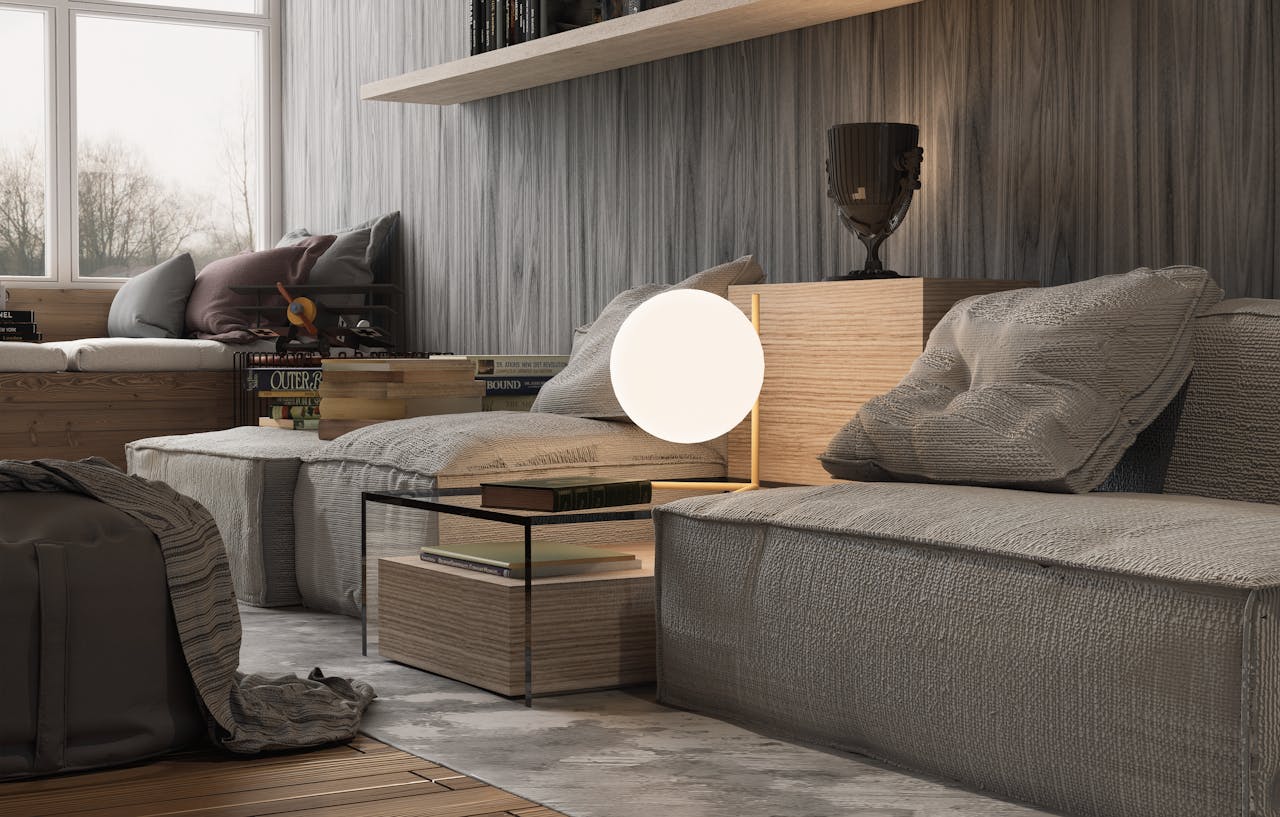
Typically overlooked or unbeknownst to us, our living spaces can impact our mood and well-being. While beautiful aesthetics are certainly important, the psychological effects of our environments are not always at the forefront of design planning. However, as many more start to realize, how we design and organize our homes, offices, and other spaces we inhabit can have a significant influence on our mental health.
In recent years, there have been several trends emerging concerning mental health trends. First, and probably the biggest catalyst of this discussion overall, the COVID-19 pandemic has led to a sharp rise in anxiety and depression, with a 25% increase in the prevalence of anxiety and depression globally according to the World Health Organization.
Next, social isolation continues to be a significant issue. A survey by the American Psychological Association found that more than half of adults reported feeling isolated or needing emotional support, an increase from previous years. One of the main factors that exacerbates this feeling is challenges in social connections as remote work and hybrid models become more common.
Consequently, burnout is becoming a pressing concern, particularly among professionals. A 2022 Gallup poll found that 76% of employees reported experiencing burnout at work. This trend highlights the ongoing stress many face as they navigate work-life balance in our evolving work environments.
Fortunately, there are a few things that can be done with our homes and workspaces to alleviate this toll on our mental wellbeing. And one you can start today – interior design can play a crucial role in addressing these challenges. If you’re interested in using your living and working spaces to boost your mood, focus, and overall sense of calm, here are 10 practical tips to try:
1. Bring in natural light
Exposure to natural light has been shown to improve mood, energy levels, and even sleep quality. A study published in the Journal of Clinical Sleep Medicine found that workers in offices with more daylight exposure experienced better sleep and reported higher quality of life. If possible, position your workspace, seating areas, and other key zones near windows that let in plenty of sunlight. Use sheer curtains or blinds to diffuse harsh rays, and consider adding skylights or solar tubes to bring in more natural illumination.
2. Incorporate greenery
Multiple studies have found that having plants in a space can reduce stress, increase productivity, and even improve air quality. Yep, it’s true – plants have superpowers. According to a study in the Journal of Physiological Anthropology, just a 5-minute break spent in a room with plants can lower blood pressure and heart rate, indicating a calming effect. Opt for low-maintenance options like succulents, snake plants, or pothos, and place them throughout your home and office. Pro tip: trailing or cascading plants have a very attractive visual impact. You can even create a small indoor garden or balcony garden or vertical planting wall for a bigger impact. Plus, seeing your babies grow brings such a feeling of satisfaction.

3. Choose calming colors
The colors we surround ourselves with can have a powerful effect on our emotions. Soothing, nature-inspired hues like blues, greens, and earthy neutrals tend to promote a sense of calm, while bright, stimulating shades like reds and oranges can feel overwhelming. When painting walls or selecting furnishings, stick to a cohesive, harmonious palette. Many research and studies found that people in rooms with blue and green color schemes reported lower levels of anxiety and greater focus compared to those in red or yellow rooms.
4. Minimize clutter
Excessive clutter has been linked to increased stress, anxiety, and difficulty focusing. Since the tidying aficionado, Marie Kondo, started the decluttering craze worldwide, many studies have found that people with cluttered homes were more likely to experience depression and fatigue. The visual distraction and stimulation of clutter causes cognitive overload and may reduce productivity and memory. Make a habit of regularly decluttering and organizing your spaces, getting rid of anything you don’t need or use on a regular basis. Breaking organization and decluttering into smaller everyday steps makes it less overwhelming. Invest in storage solutions like shelves, cabinets, and baskets to keep surfaces clear and tidy.

5. Optimize your lighting
Proper lighting is crucial for setting the right mood and energy in a space. Building from point #1, while you maximize natural light, for other times, use a combination of ambient, task, and accent lighting to create a balanced, layered effect. Dimmers allow you to adjust brightness levels throughout the day, while warm color temperatures promote relaxation in the evenings. Exposure to blue-enriched white light during the day can also help boost alertness and cognitive performance.
6. Enhance acoustic comfort
Noise pollution can be a major stressor, and a true source of annoyance, so do what you can to reduce unwanted sounds. Add sound-absorbing materials like rugs, curtains, and acoustic panels, and consider using white noise machines or calming nature sounds to mask disruptive noises. If you work from home, designate a quiet zone away from high-traffic areas. A 2018 study in the Journal of Environmental Psychology found that workers in open-plan offices with more acoustic privacy reported lower levels of stress and higher job satisfaction.
7. Personalize your space
Filling your home or office with meaningful personal touches, like family photos, artwork, or mementos, can boost your mood and sense of well-being. These elements help create a space that truly reflects your unique personality and interests, making it feel more comfortable and rejuvenating. This works even in your office – research from the University of Exeter has shown that personalized workspaces can improve employee creativity, productivity, and engagement.
8. Create a dedicated relaxation zone
Sometimes, no matter how wonderful, calming and welcoming our workspaces are, we need a break from it too. Whether it’s a cozy reading nook, a meditation corner, or a designated yoga/stretching area, having a space solely devoted to rest and relaxation can be incredibly beneficial for your mental health. Make this zone as serene and calming as possible, with comfortable seating, soft lighting, and soothing decor. No matter how tiny this corner or nook is, access to a restorative area where you can just unplug and detach from work can significantly reduce stress and fatigue.

9. Maximize airflow and ventilation
Poor indoor air quality can contribute to feelings of fatigue, headaches, and even respiratory issues. We spend so much of our time indoors and this topic of indoor air quality is becoming more and more important. Ensure that your spaces have adequate airflow and ventilation, either through operable windows or mechanical systems. You can also use air purifiers and houseplants (one of their many super powers) to help filter the air. Several studies are talking about how improving indoor air quality can lead to better cognitive function and reduced risk of health problems.
10. Prioritize ergonomics
When it comes to workspaces, prioritizing ergonomics is crucial for both physical and mental well-being. On this point, think long term. Be willing to invest in a comfortable, supportive desk chair, and make sure your computer, keyboard, and other equipment are positioned in a way that minimizes strain on your neck, back, and wrists. This can help reduce pain, improve focus, and prevent burnout. You’ll be grateful for how a perfectly formed working chair and other tools help on those long days and nights when you need to rush some work. A study from Cornell University found that ergonomic improvements in the workplace can lead to a 17% increase in productivity and a 33% reduction in discomfort.
By making intentional choices about the design and organization of your spaces, you can create an environment that supports your mental well-being and overall quality of life. So, whether you’re looking to boost your mood, increase your productivity, or simply feel more at ease in your surroundings, consider incorporating these interior design tips into your home or office. Your mind (and body) will thank you.