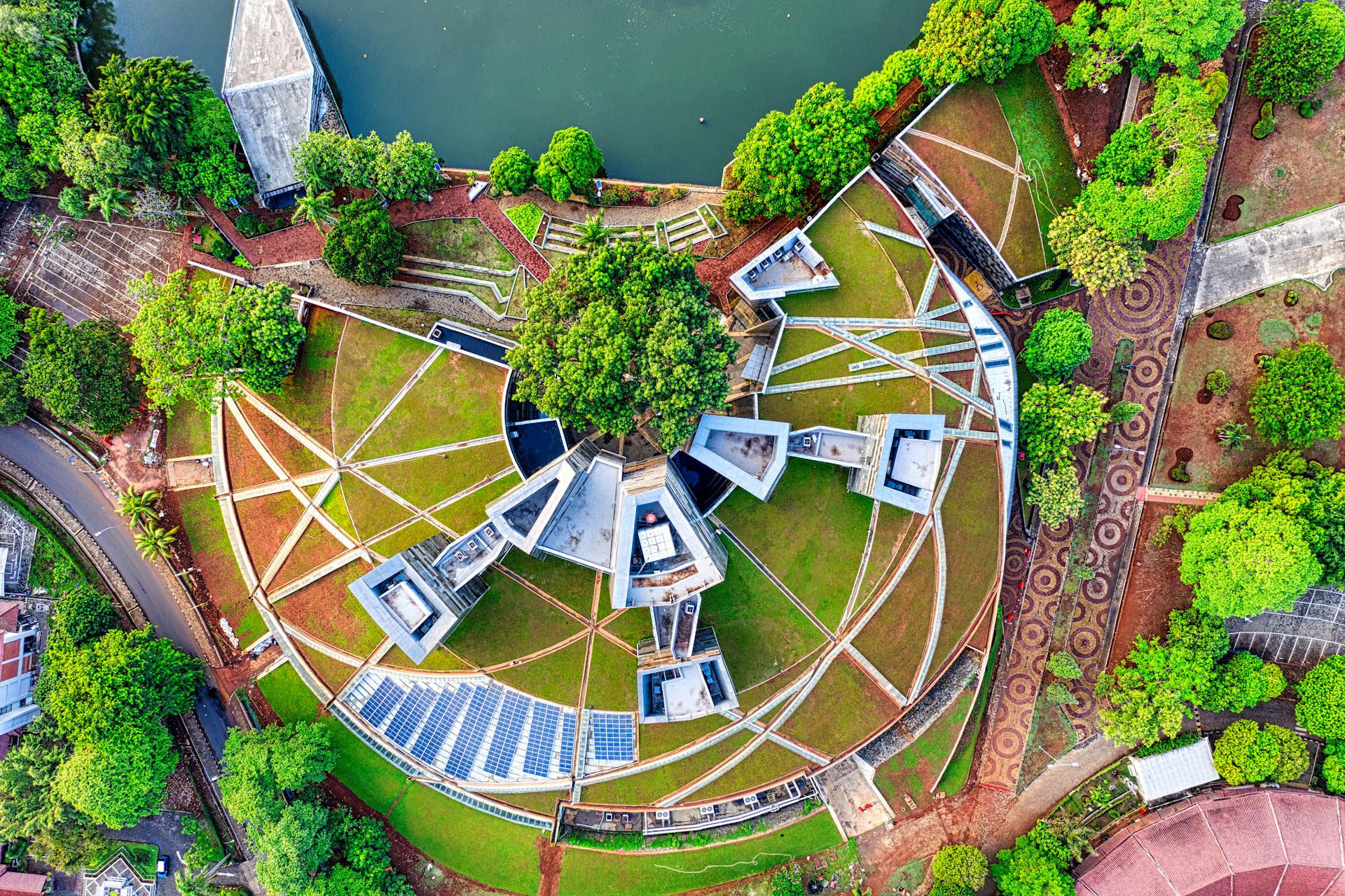
Architecture comes in many shapes and forms. It is one of the many things that has constantly evolved since ancient civilizations. While having many distinct styles, the underlying theme of sustainability is at the heart of many projects today.
Green building practices became mainstream only in the early 2000s, when sustainable concepts and rating systems like LEED (in the US) and BREEAM (in the UK) gained traction a decade earlier. Further, several initiatives such as the 2030 Challenge, issued by Architecture 2030, or Singapore’s goal of net-zero emissions by 2050, have propelled this into a truly global movement.
What factors define sustainable architecture and how has this evolved over the years?
The initial areas of focus for green buildings are energy efficiency, water conservation and indoor environmental quality – all of which are equally, if not more, important in today’s built environment.
Let’s start the discussion with these three points first.
Energy efficient architecture consumes renewable energy.


Sustainable structures reduce finite energy consumption and instead, get energy from sources that are not depleted, such as the sun, wind or rain. These abundant natural resources have lower environmental impact, thus minimizing greenhouse gas emissions and energy consumption for your home or building.
To incorporate this, the most achievable first step is to welcome as much natural light as you can, ensure efficient HVAC systems that are regularly maintained and proper insulation to reduce heat transfers between external and internal spaces. Some more advanced processes are geothermal energy or storing energy for later use. Many technological advancements have made these processes more doable – it’ll cost money, but the goal is long-term gains.
Today, many smart technologies help make reaching an energy efficient home or building more attainable. A good spread of hardware and software products, such as sensors or control systems that provide analytics, empowers you to see your energy performance and optimize or adjust it to better adapt to changing conditions.
Next, water conservation has been taught since we were kids.
You’ll see that ever-present reminder to reduce water usage by turning off the tap when not in use, taking shorter showers or regularly checking for leaks. Now, as sustainable processes become louder and more recognized, new water conservation systems are being practiced.
You’ve probably heard of rainwater harvesting and greywater recycling. Both terms convey the same concept – giving water renewed purpose. Greywater is used water from showers, washing machines or toilets; and roofs and other surfaces are the common spots to collect rainwater from. These are then used for irrigation, toilets, for cleaning or other non-potable purposes. Many green buildings will likely have this implemented to a certain degree because it reduces overall demand for freshwater.


Today, there are even plumbing systems that have low-flow versions – helping you automatically reduce water use per flush or per minute. Additionally, for those with gardens at home, you can go for native or drought-tolerant plants. Since they are well-suited to the local climate, they can thrive despite needing less water, allowing you to conserve water for your outdoor spaces too.
Monitoring indoor spaces is also an important factor in sustainable and green architecture.

Sustainable architecture does not stop at materials and external systems. Indoor environmental quality of a building and home is an essential factor too. From our previous articles, you can see many suggested ways in achieving this – we repeatedly speak about blurring the lines between indoor and outdoor spaces and are firm believers of biophilic design.
This design concept talks about the connection between nature, architecture and psychology. Biophilic design welcomes the use of plants, natural materials and nature-inspired patterns into indoor spaces to improve health and wellbeing of occupants as well as upgrade overall aesthetic.
Some easily implementable ways for a healthy indoor environment is to maximize daylight using a well-thought out plan for window and skylight placements. But don’t stop there, also ensure that you can easily open some well-placed windows to keep fresh air circulating in your indoor space. When selecting furnishings, finishes and cleaning products, opt for non-toxic, biodegradable ones with less harmful chemicals and low volatile organic compound (VOC) emissions. You can also install a thermostat to always be aware of and monitor humidity levels.
These three points form the foundation of green and sustainable architecture since the concept was founded.
Today, this definition has evolved to include a few more elements. You will see that the additional factors not only consider the actual structure, but its impact on surroundings and its future also come into the picture.
First is choosing sustainable materials.


These materials have minimal negative impact on the environment because often, they are eco-friendly or renewable, locally-sourced and recycled. Also, and very important, they minimize the depletion of our natural resources (similar to the idea of renewable energy).
You may already be using some of these products. A popular example is bamboo – fast-growing, durable and attractive. It can be used as flooring or to make furniture pieces such as shelves and cabinetry; even make a whole accent wall from bamboo. Other upcycled materials that could add character to spaces are reclaimed wood, recycled metals and glass and repurposed old decor. Sustainable materials can be used indoors or outdoors, and with a little creativity, they can be given new life and purpose that could spruce up any space.
One beautiful point of locally-sourced materials is helping communities thrive by giving them a livelihood and contributing to local economic sustainability. When architecture uses native materials, it models heritage and culture; a familiar touch that creates connection with its surroundings. You’ll have potential cost-savings too, such as removing transportation and importation needs, and lowering maintenance costs because the materials are better suited to the climate, making them more durable overall.
Next, site development and lifecycle considerations make sustainable architecture a holistic approach.
Green architecture follows a circular pattern – considering the beginning and the end.
When you’re building a home or a commercial tower, do you ever stop and examine the site’s surrounding areas? This is the first big point where green architecture looks outside.
Choosing a viable location for your vision is supposed to be the first step before discussions on building plans and designs even start. Biodiversity loss, harming natural habitats and disrupting life in a community or area are main concerns today.
As you aim to minimize the impact on the surrounding ecosystem, you should also find ways to allow it to thrive. Considerations on how to preserve, restore and enhance the area include:
- solar orientation – the sun’s path to maximize natural daylight and passive solar heating
- wind patterns – direction for ventilation and minimizing impact on the structure
- topography and drainage – measuring the terrain to properly manage drainage patterns, minimize erosion and site disturbance
- microclimate and vegetation – knowing weather conditions (including temperature and humidity) to optimize energy efficiency, indoor comfort and identify areas for ecological benefit


After that, considering the structure’s life cycle then comes into play. To minimize waste, there is a growing emphasis on designing buildings for adaptability, disassembly and reuse. When a building is no longer deemed useful, deconstruction could lead to a higher yield of salvageable materials, and recycling or repurposing certain components. Additionally, this also translates to more resilient buildings and homes in our built environment.


Last but not least, increasing societal demands.
Our concrete jungle has a growing negative impact on our health and wellbeing. This recognition pushes societies to demand better indoor environments, higher accessibility to nature and fluid designs. Rapid urbanization of cities is creating environmental stress with poor air quality, pollution, noise, congestion and excessive heat. We have witnessed the rise and fall of buildings from natural disasters and realize that fast doesn’t always mean better in architecture and urban development. What modern cities need today are buildings and communities that can recover from disruptions.
Green and sustainable architecture often includes parks, gardens (on-the-ground and vertical), landscaping and green roofs to provide access to nature and allow communities to interact through recreational activities. Revitalizing the land and reconnecting with nature mirrors the positive impact of urban green spaces on people and the environment.
Achieving truly sustainable and green architecture is no easy feat. There are several factors to consider inside and out. However, our built environment impacts everything and everyone and that drives home the importance of our commitment to engaging and learning more about these sustainable practices.